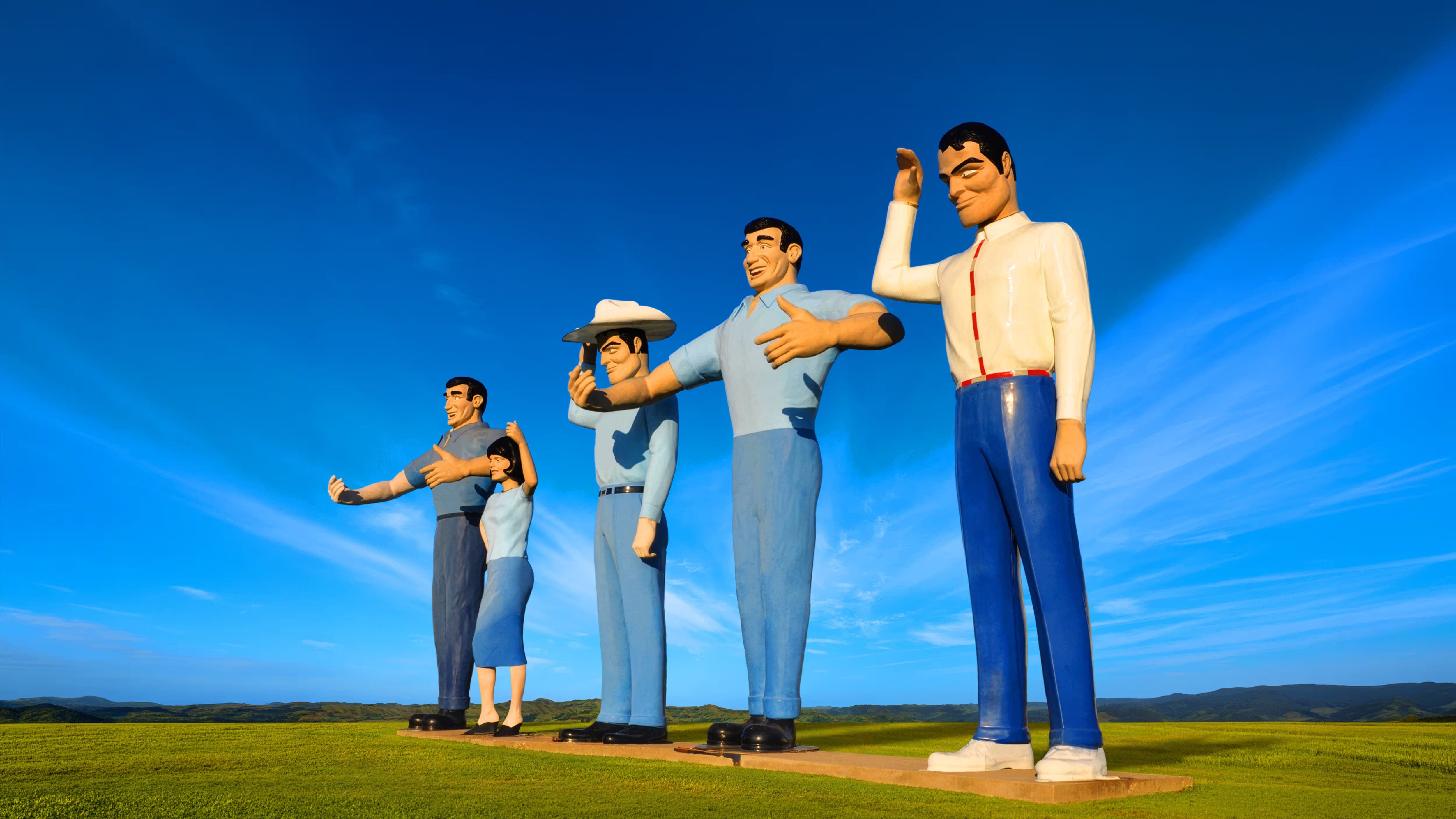

There Be Giants
Route 66 gets to be “The Mother Road.” Fine. Let it have the crown, the ballads, the doughy-eyed postcards. But out west—where the sun hits like a hammer and the air smells faintly of motor oil, oranges, and jimsonweed—there’s another artery that did the real work: Highway 99 “The Other Mother Road.” The old Golden State Highway did the heavy hauling of freight, families, fruit, futures—and it ran straight through the San Joaquin Valley like it owned the place. Which, in a way, it did.
This project started as a small, innocent act of familial craft-larceny: simple Route 66 stencil graphics—highway shield cutouts—slapped onto whatever would hold ink. Everything from ashtrays to Zippos. But mostly tote bags and coasters for my wife’s Etsy side hustle. But then the thing mutated, as these things do. The clean cutouts began breeding like jackrabbits—one symbol became a system, then a language, then a fever dream of American shorthand: badges, bolts, roses, sparrows, two lucky numbers, road glyphs—the kind of tattoo-stencil iconography that feels half folk art, half warning label. Gonzo, but not the caricature—the documentary kind: the raw, swerving, roadside America where myth and merchandise share the same greasy countertop.
And in the middle of it all, a mathematical grin: flip 66 and you get 99—a dumb, perfect magic trick connecting two places that made our family. Springfield, Missouri, where Route 66 was born and where my wife and I raised our kids. Bakersfield, California, where Highway 99 ran past our childhoods, our marriage, our first chapters—right through Garces Circle like a beltway of memory. Same family story, two roads—one romanticized, one relentless. 99\66: origin and output.
Now the giants show up.
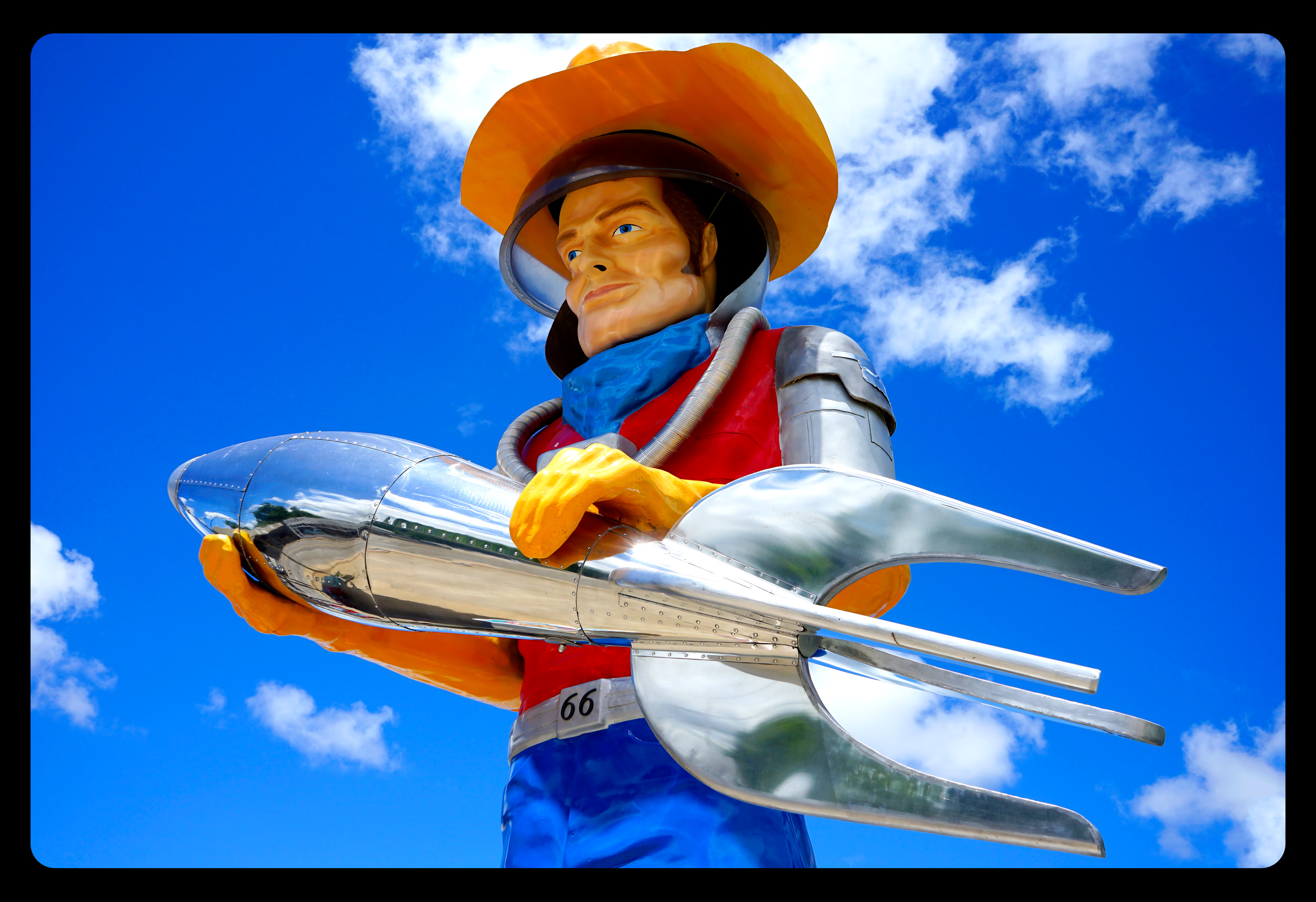
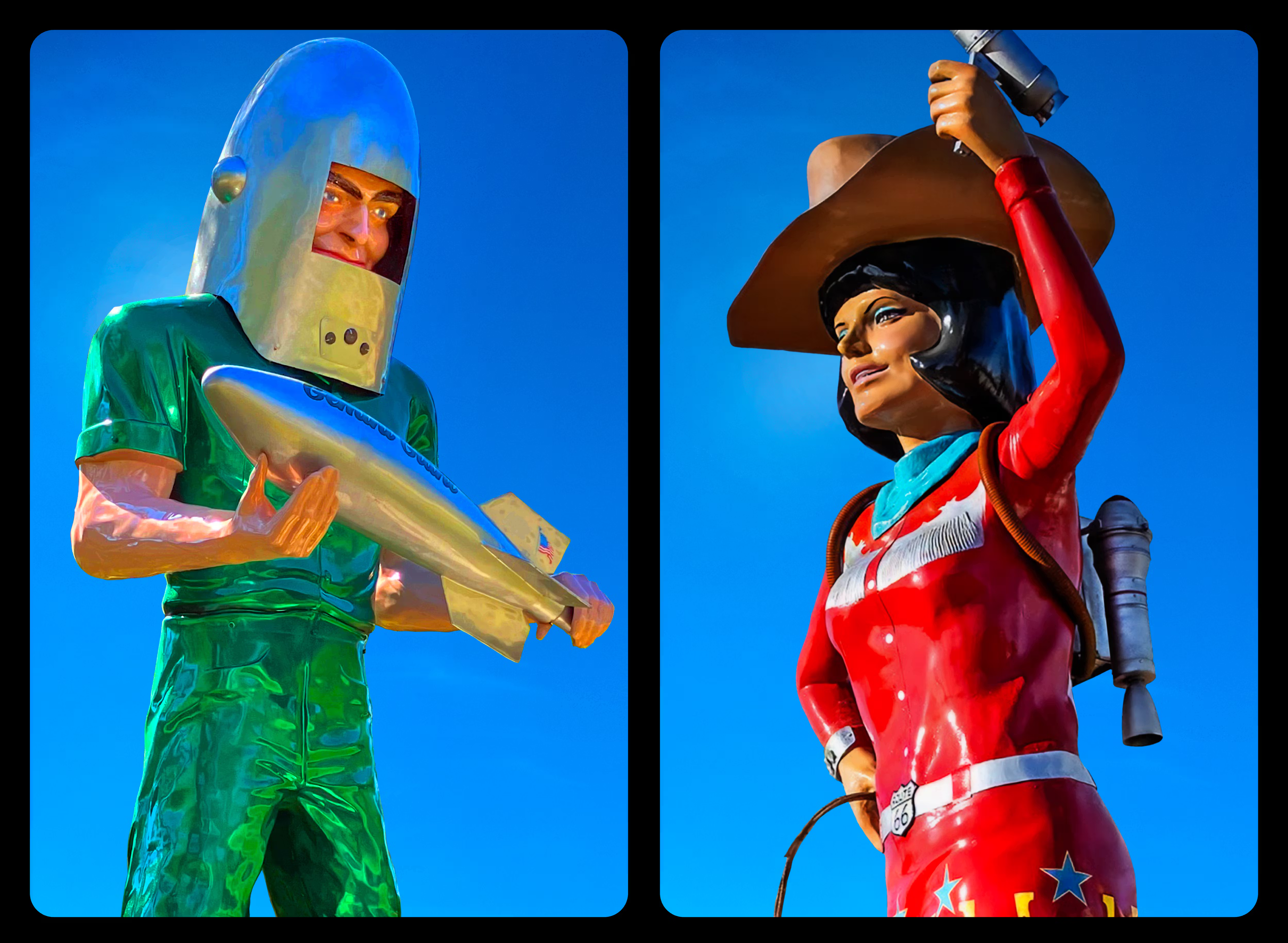
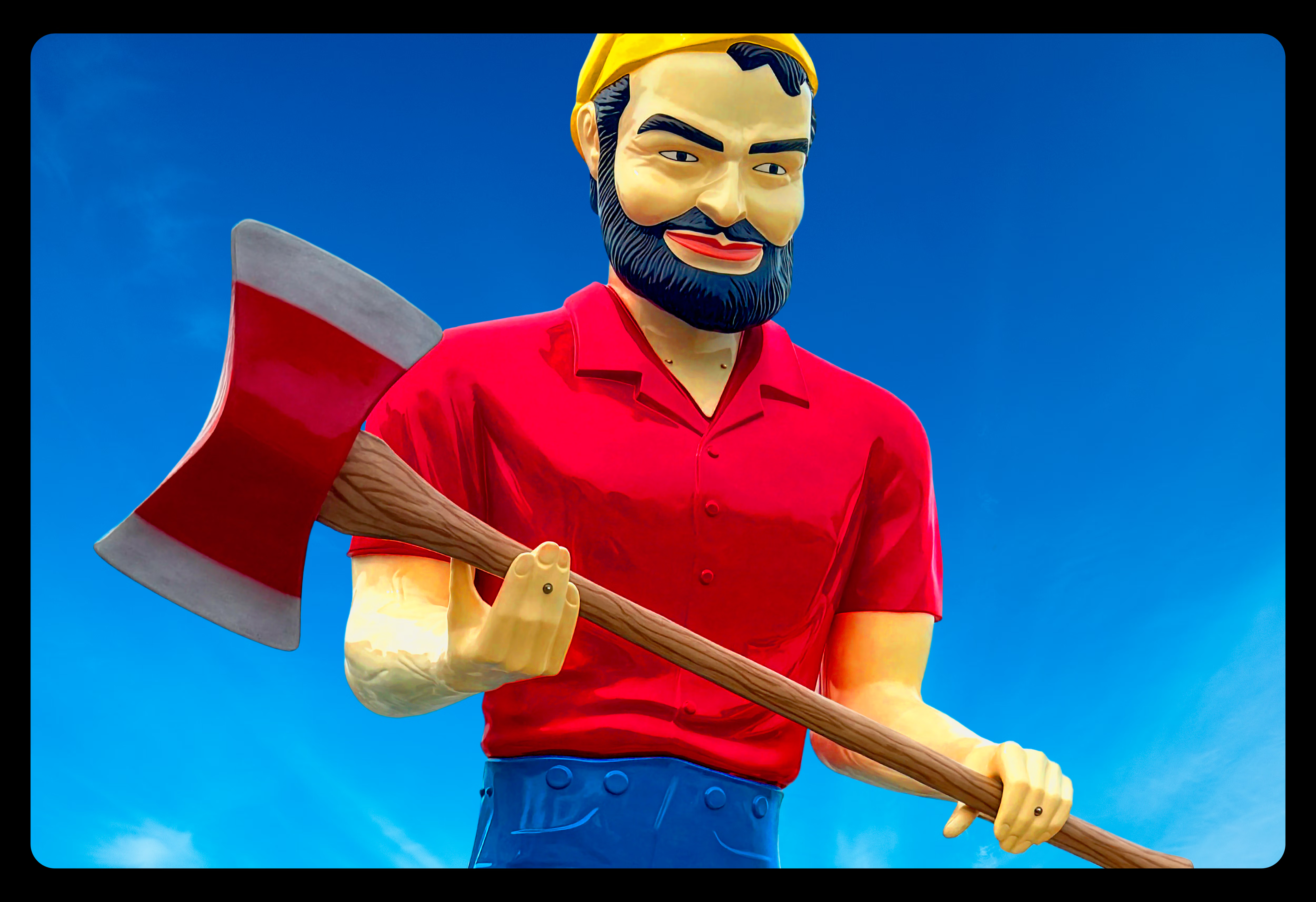
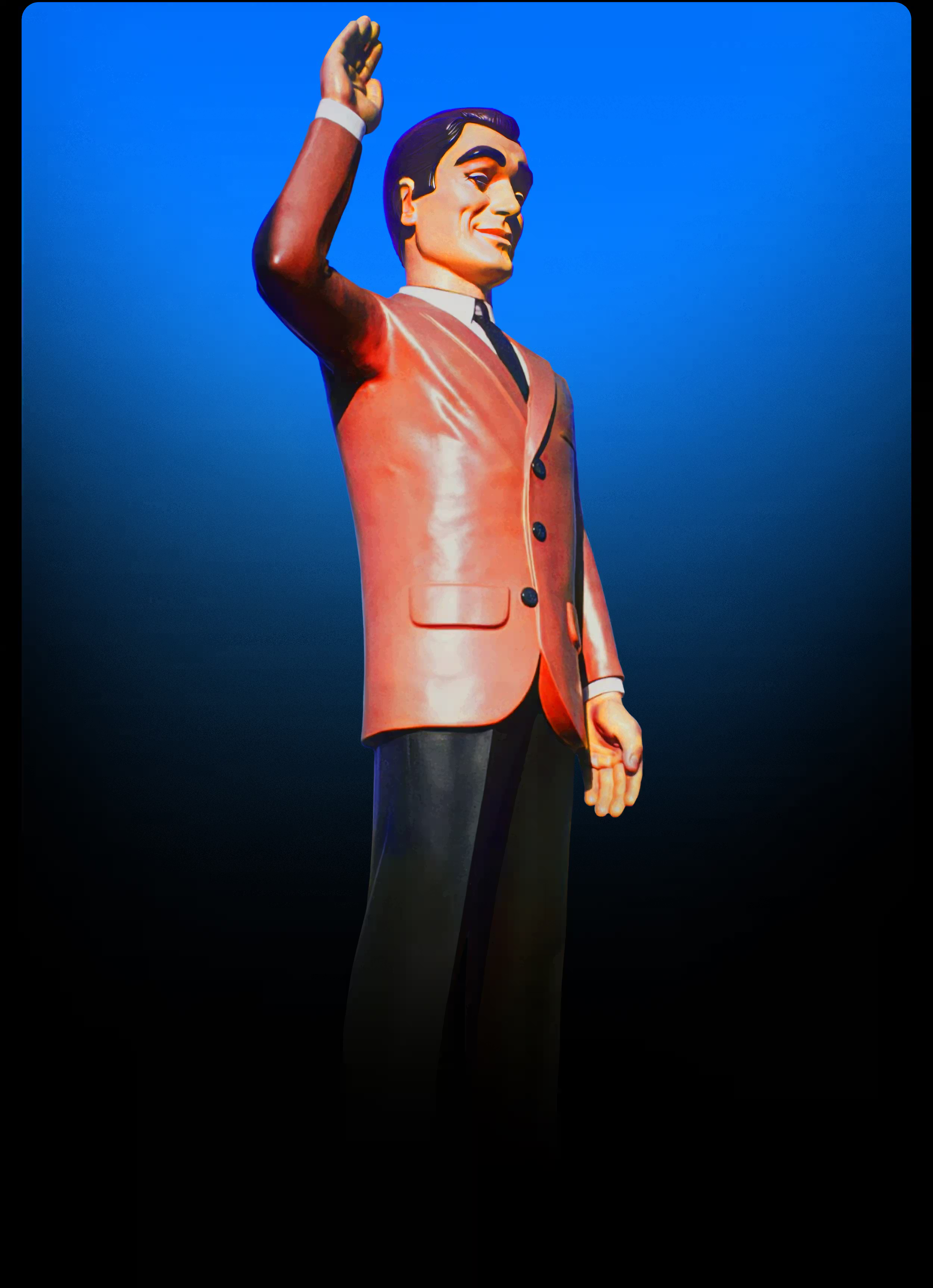
Behold the wondrous novelty super-structures: fantastical fiberglass men and mythic roadside figures towering over travelers—the bright, dumb miracles that littered America’s highways and byways of the mid-20th century. These weren’t sculptures. They were salesmen—silent, sunbaked, and permanent—beckoning drivers to buy a quieter ride, upgrade from bias-plys to radials, grab a bite before the next hundred miles took a bite out of them. You didn’t visit these things; you got captured by them, like roadside propaganda with freckles.
Many of these giants trace back to International Fiberglass, a Venice, California outfit that cranked out modular, paintable colossi in the 1960s and ’70s—big bodies, swappable heads, changeable props—built to be customized for muffler shops, tire joints, restaurants, and whatever else needed attention from a speeding public. One mold could become a dozen local legends depending on who painted the shirt, what they put in the hands, and which town decided to claim him. The public later called them “Muffler Men,” but, new or old, they were really the mascots of a whole era: the last great analog shout into the wind before highways got sanitized and signage turned into logos.
The following work pairs four original Route 66 / Highway 99 graphic compositions with rescued, restored, reworked, and enhanced fiberglass titans, including Sunny the Big Man and a Native American with arm raised in greeting—once stationed both in my memory and along the old Golden State Highway as it cut through the Garces Circle in Bakersfield. Bright technicolored pop culture graphics meet the battered, repainted reality of roadside America. Myth next to mileage. Legend next to lunch.
Because the truth is: you can keep your romance. I’ll take the road that fed people—and the giants that tried to sell them one more thing before the horizon swallowed the car whole.