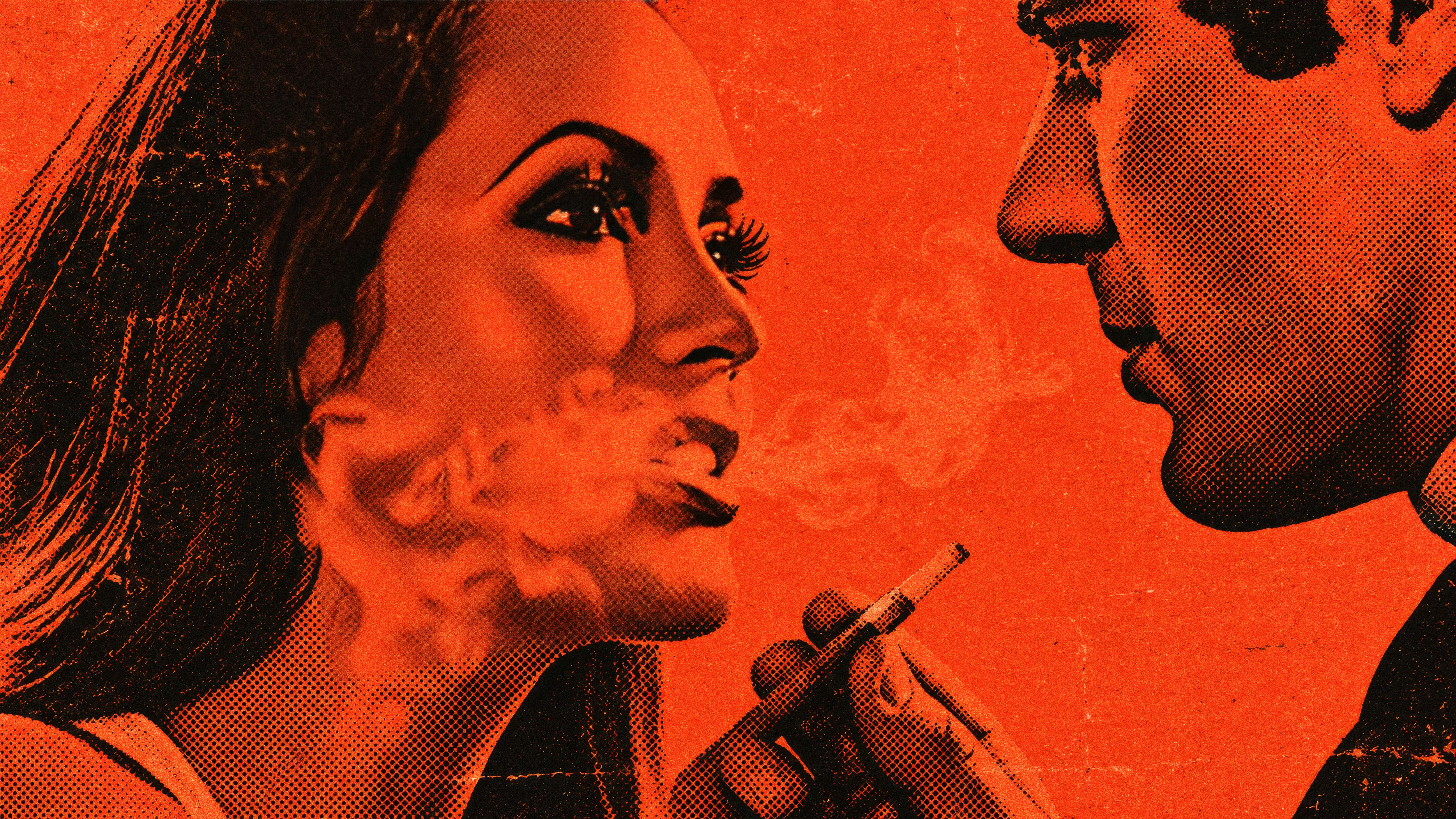

Repackaging Game Night
The Teen Packaging assignment came to our agency through our president, whose longtime friend and friendly rival was part of the creative leadership team at Hasbro. That relationship led to a number of Hasbro projects over several years, including anniversary work for Rook, in-box cross-game marketing for Monopoly, brand development for game.com, and other assignments. For Teen Packaging, I was paired with Shawn Finger, a super-rad writer and creative partner whose voice helped push the work exactly where it needed to go.
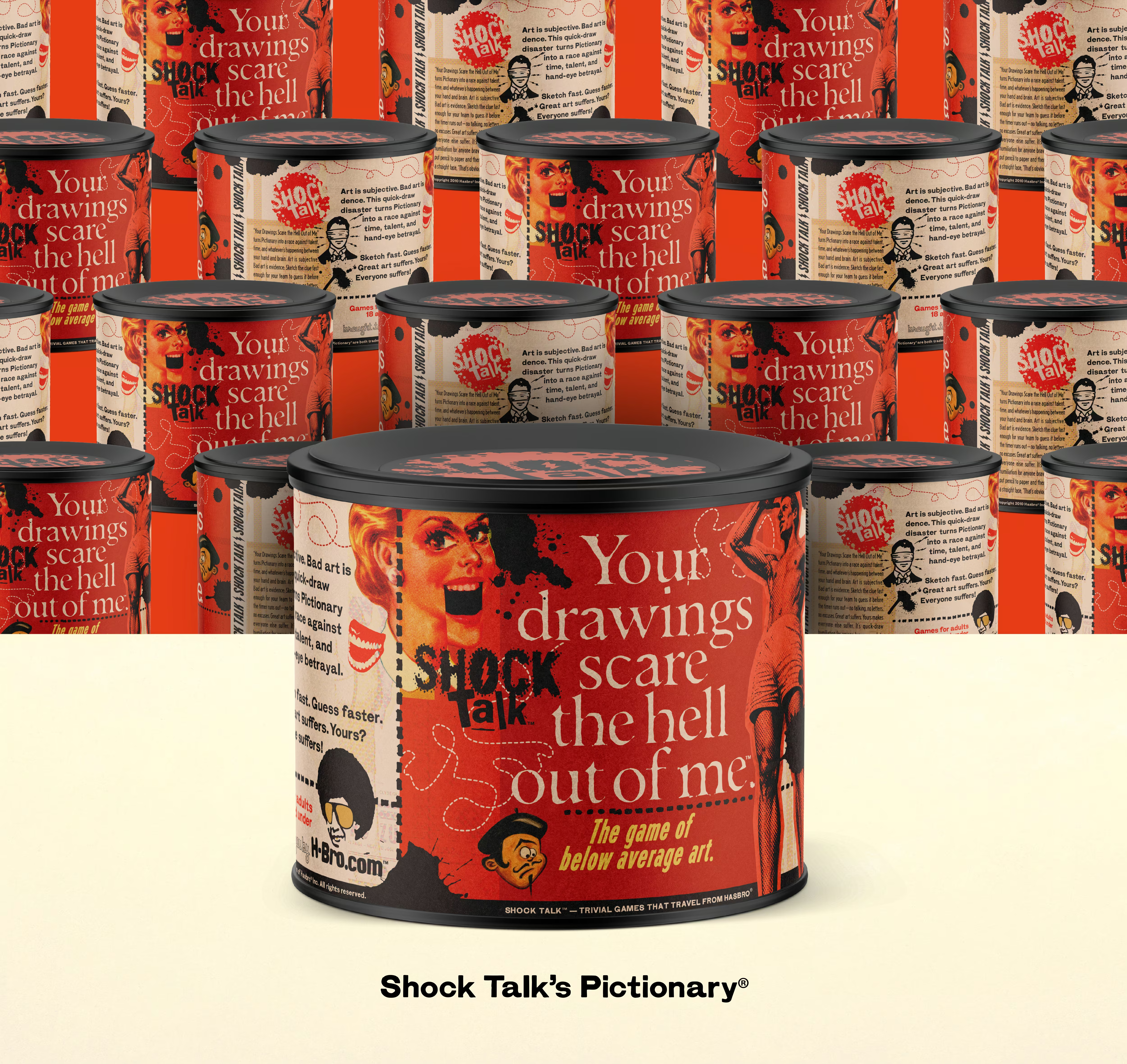
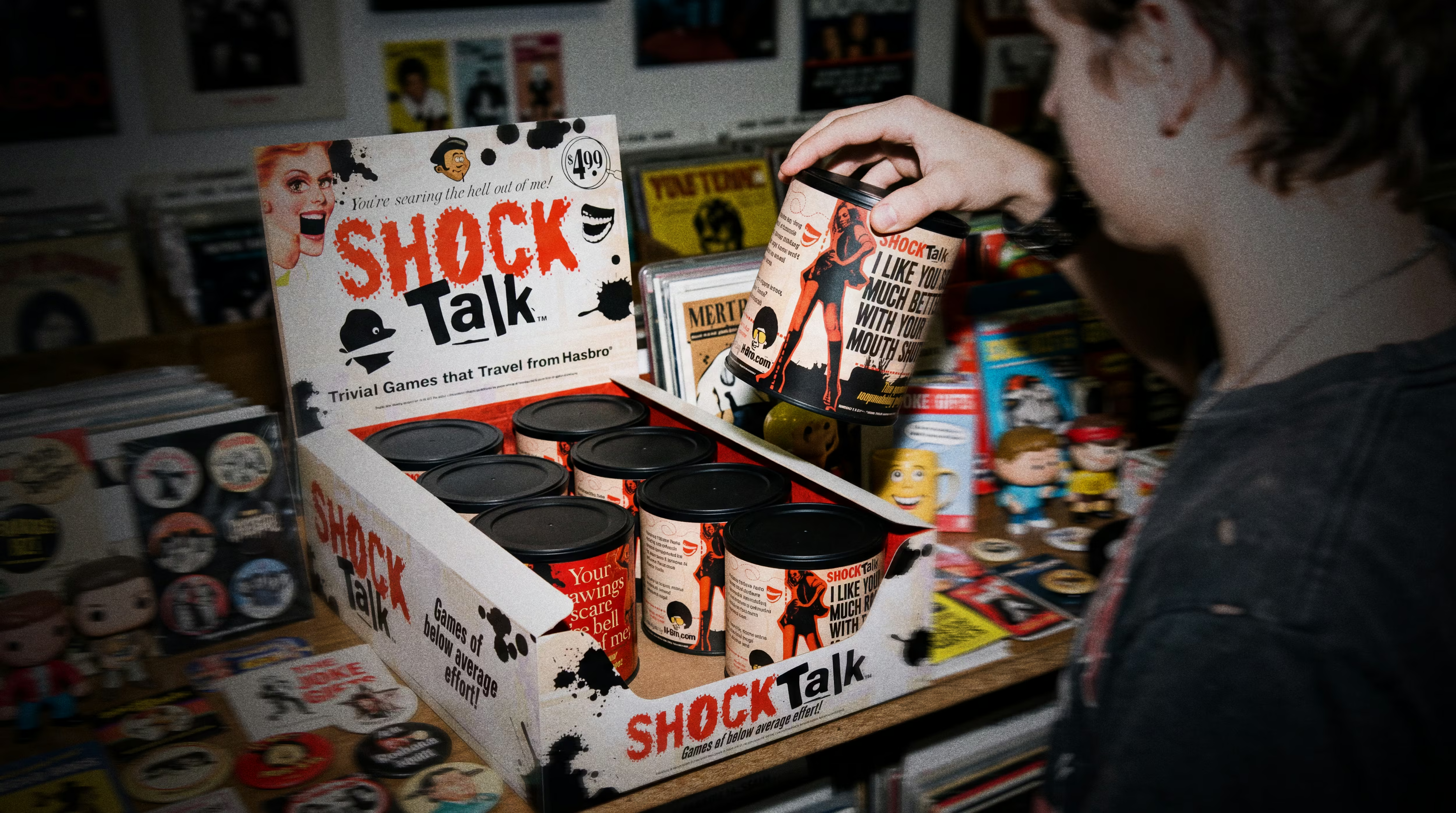
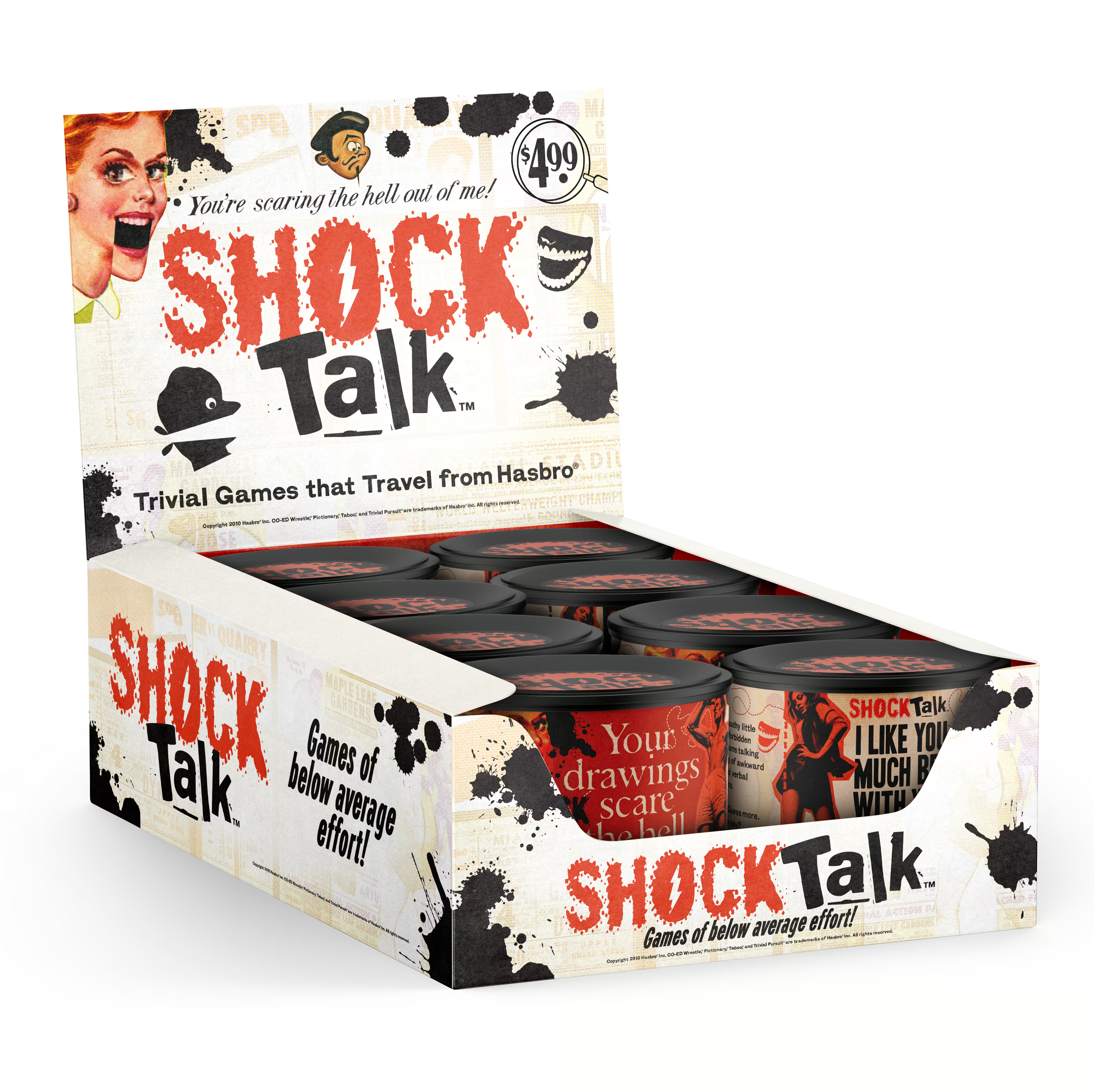
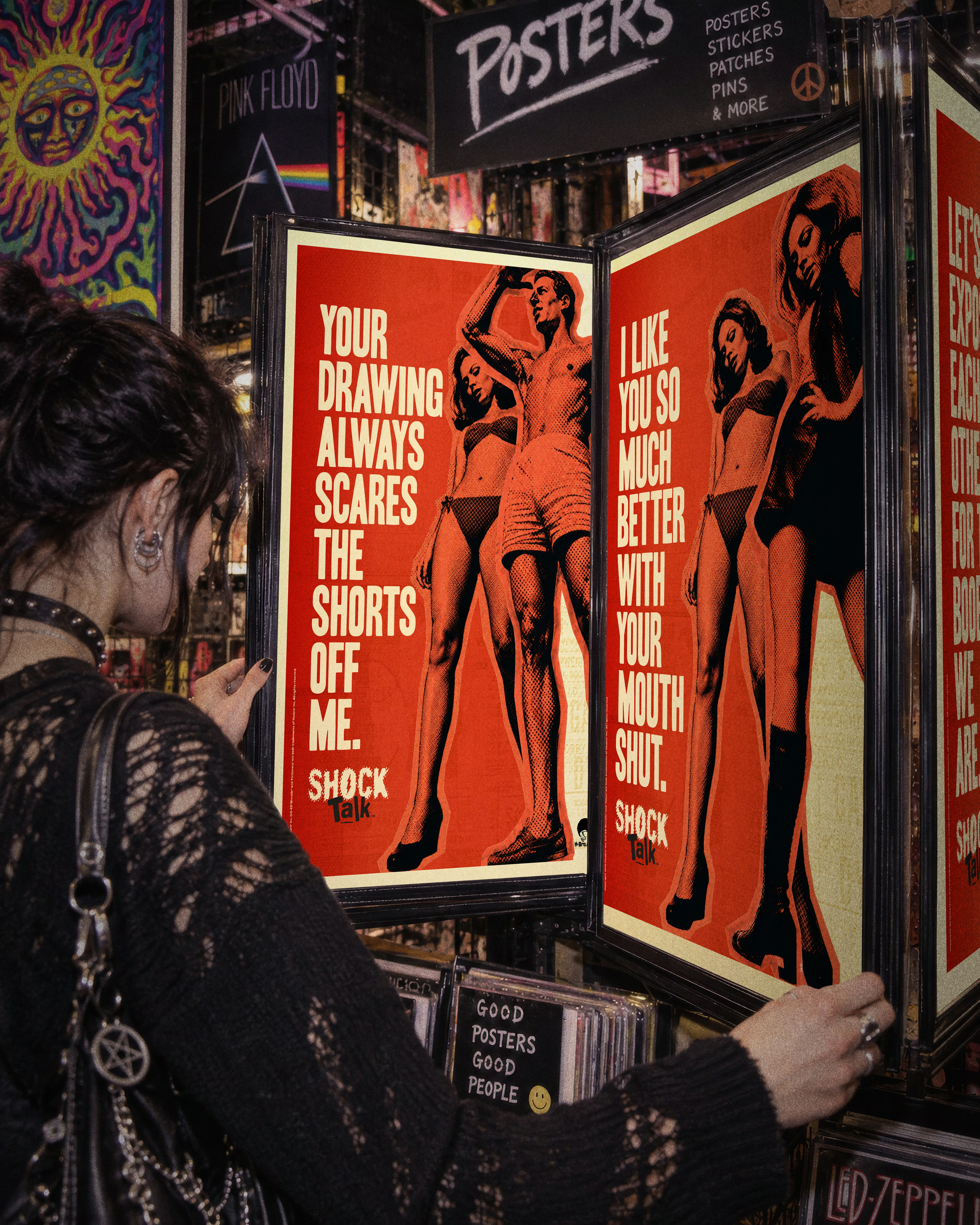
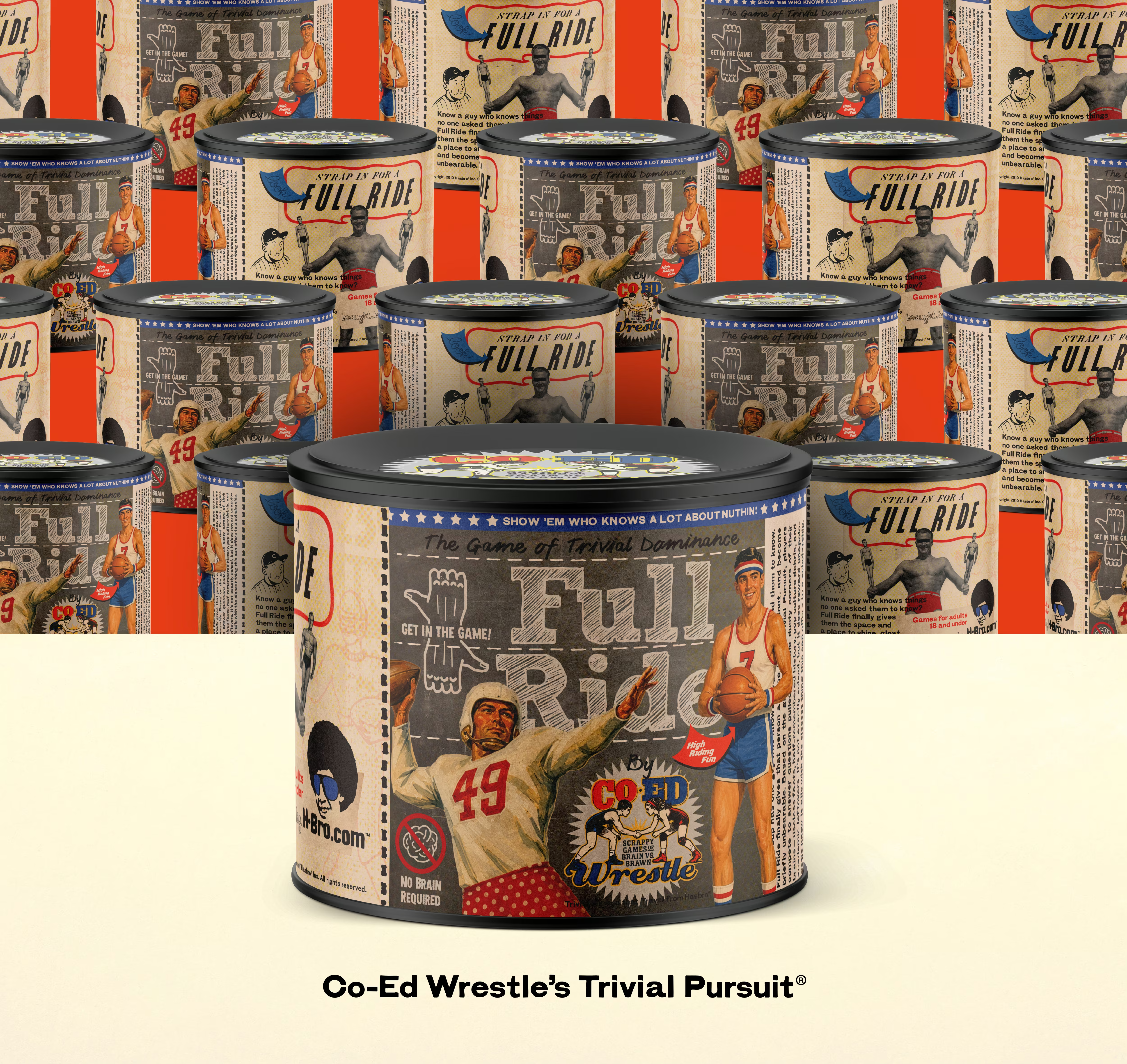
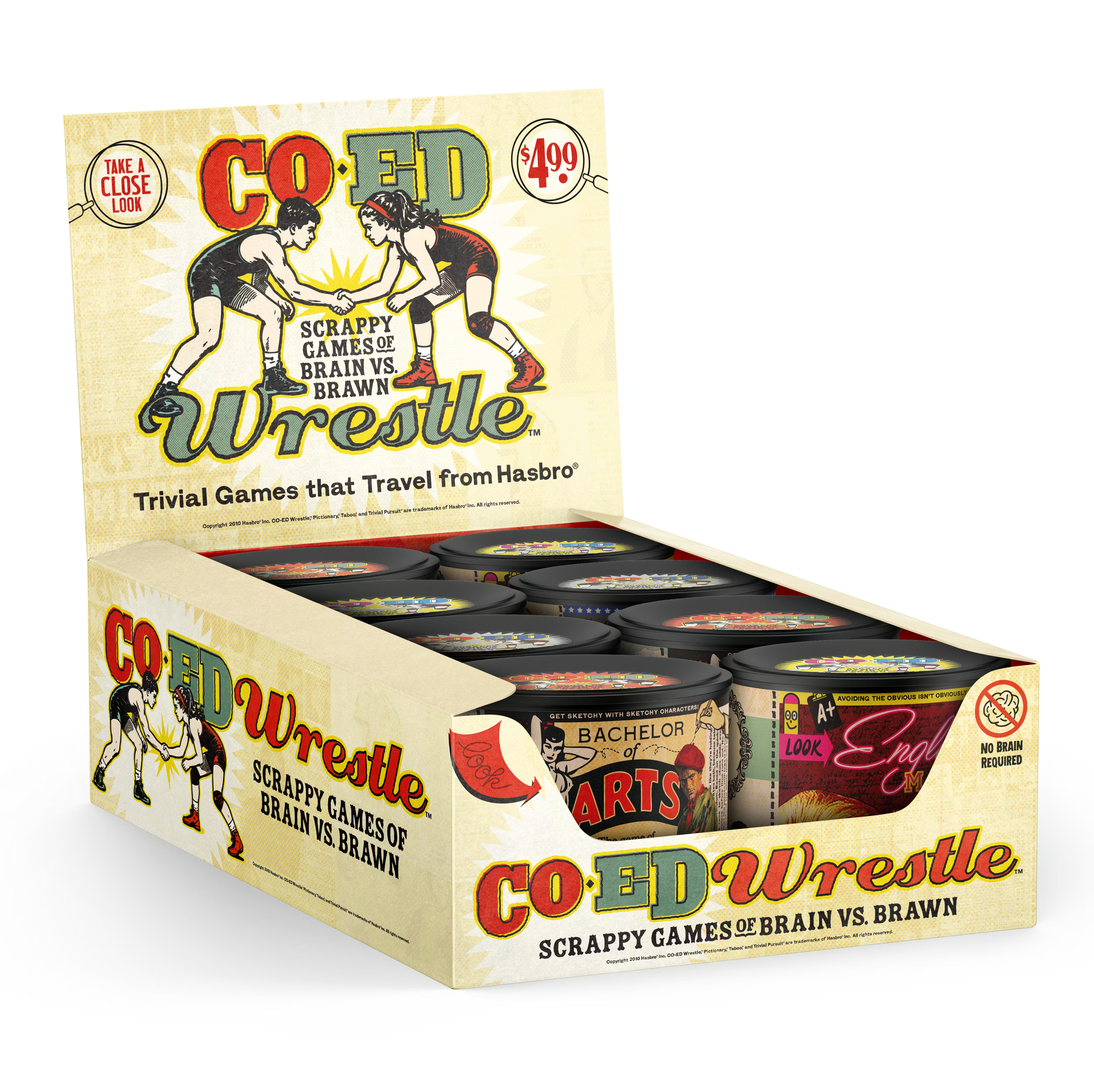
Hasbro has been a respected institution of wholesome gameplay for generations, which, to a teenager, can read as old, conservative, and profoundly bor-ring. The assignment was to young-up three classic Hasbro titles—Pictionary, Taboo, and Trivial Pursuit—by reimagining them as smaller, faster, more irreverent games for teens who were too cool for kids’ stuff and too distracted for the originals. The result was a compact line of games designed for impulse shopping in convenience stores, bookstores, record shops, head shops, gag shops, magic shops, souvenir stands, and other places where a parent might grab something on the way to a road trip—or a teen might grab something because it looked dumb enough to be fun.
The thinking started with a simple goal: make the games feel less like homework and more like trouble. Early explorations pushed into boredom, procrastination, snack culture, bad behavior, college anxiety, and the petty competitive joy of embarrassing your friends. Names like Mental Waste, Junk & Rubbish, Co-Ed Wrestle, and Shock Talk gave the line a deliberately un-corporate voice—smart enough to know better, stupid enough to keep going.
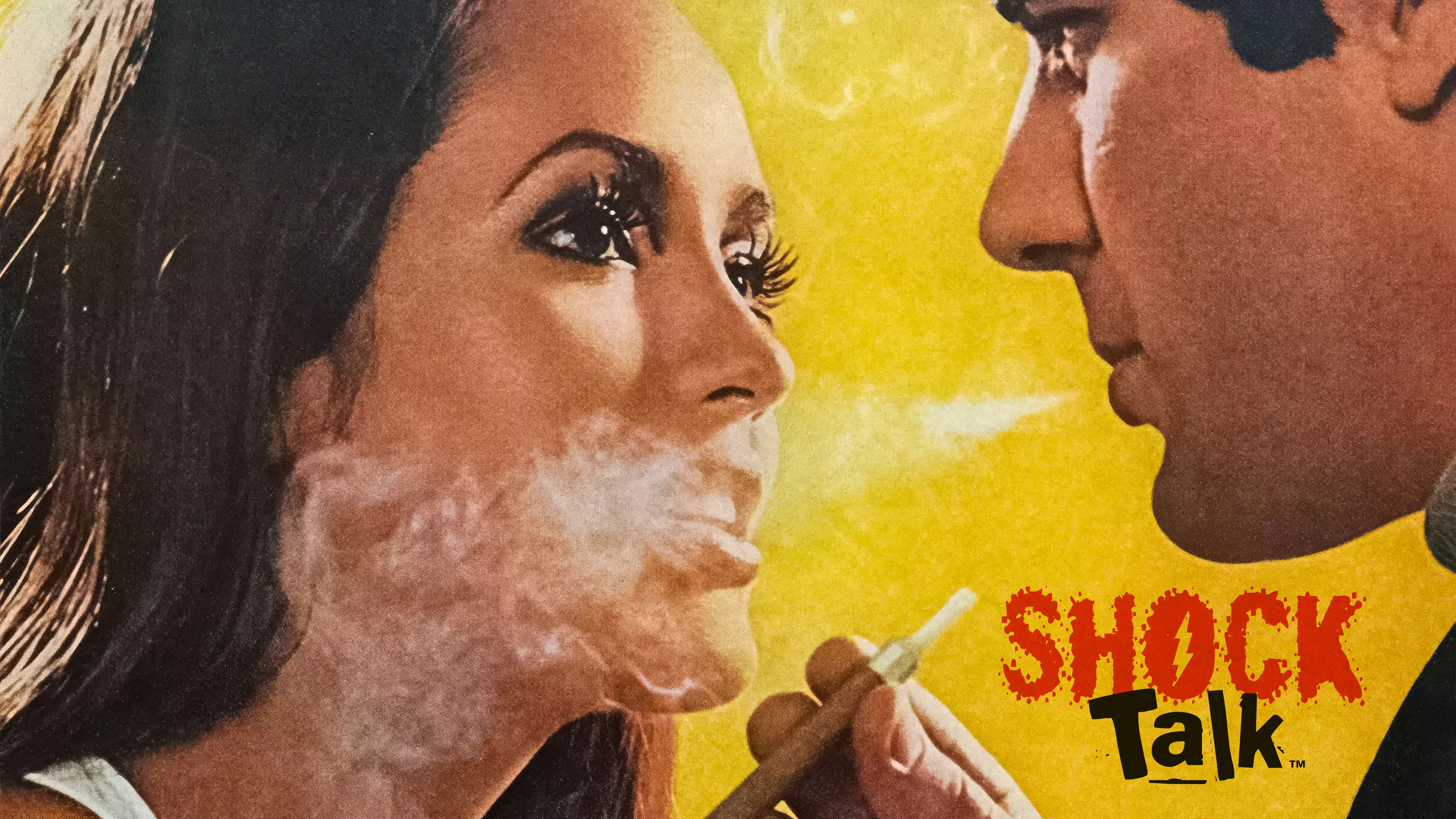
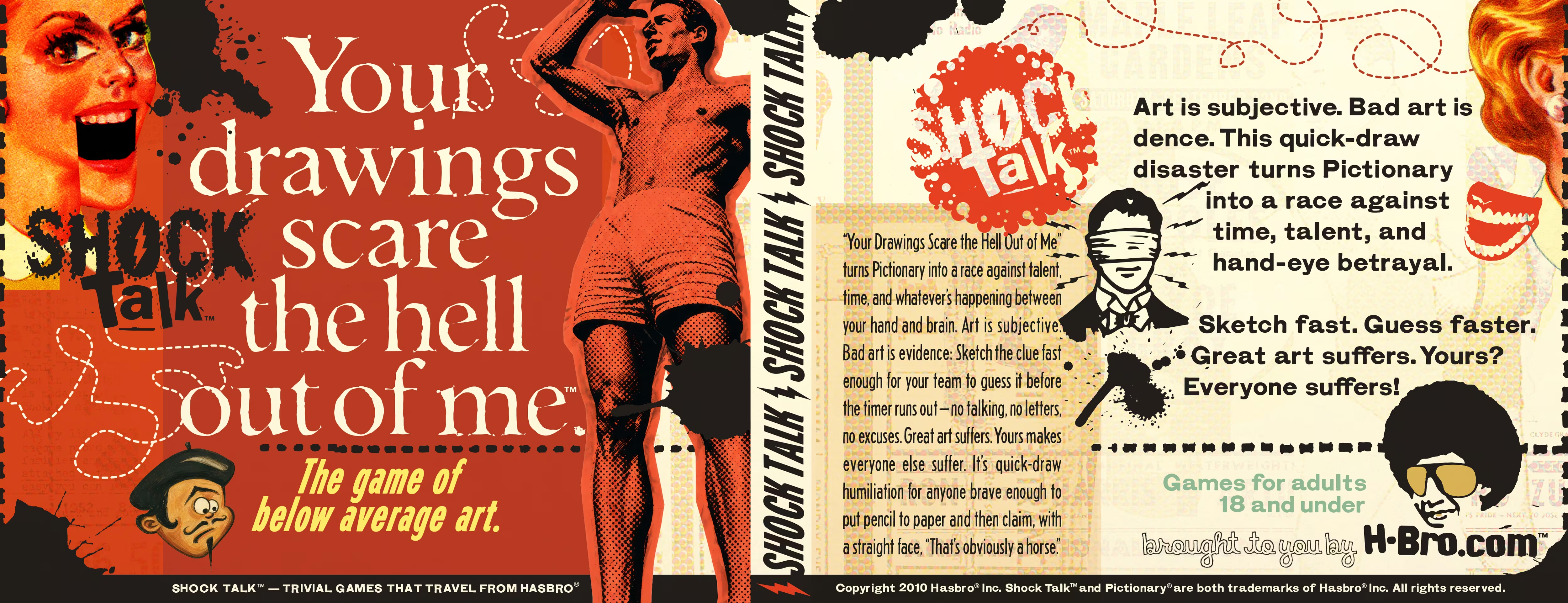
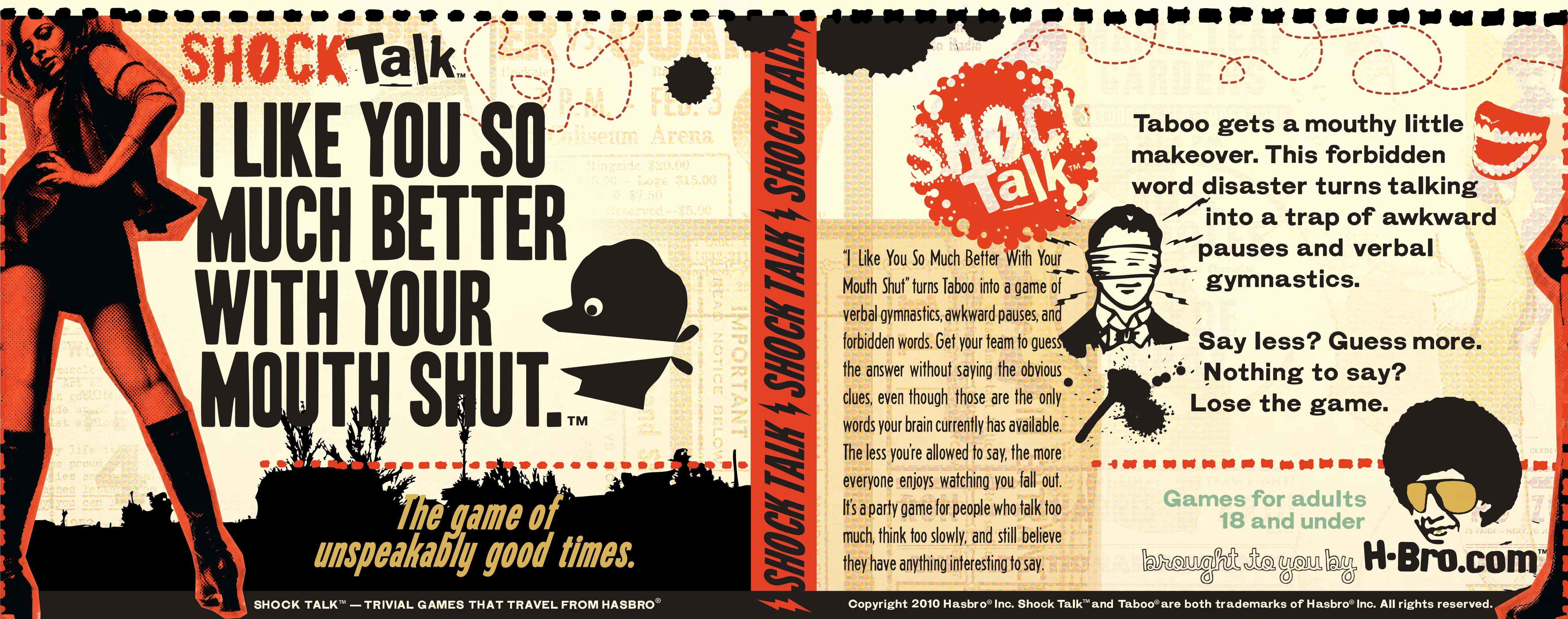
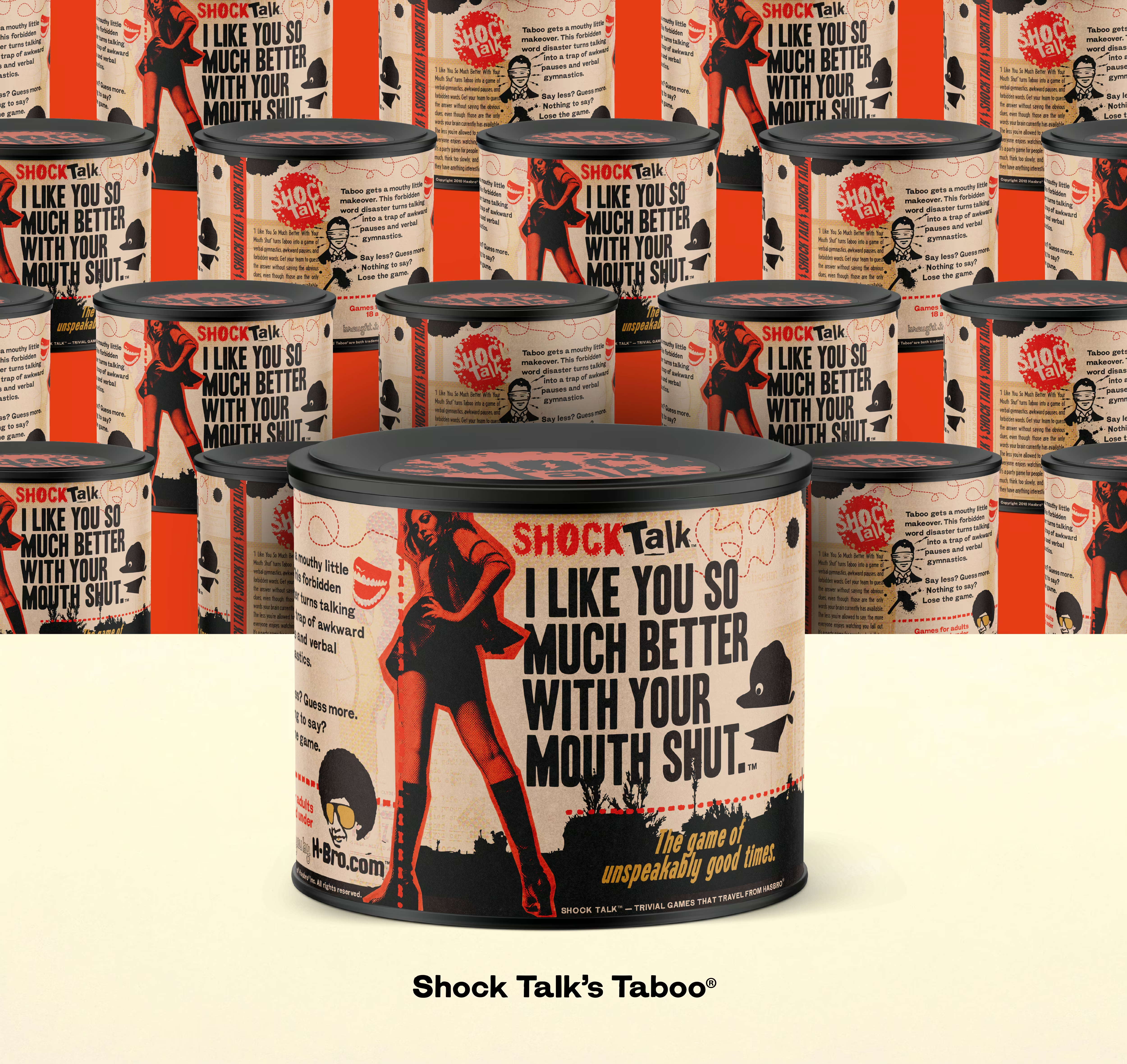
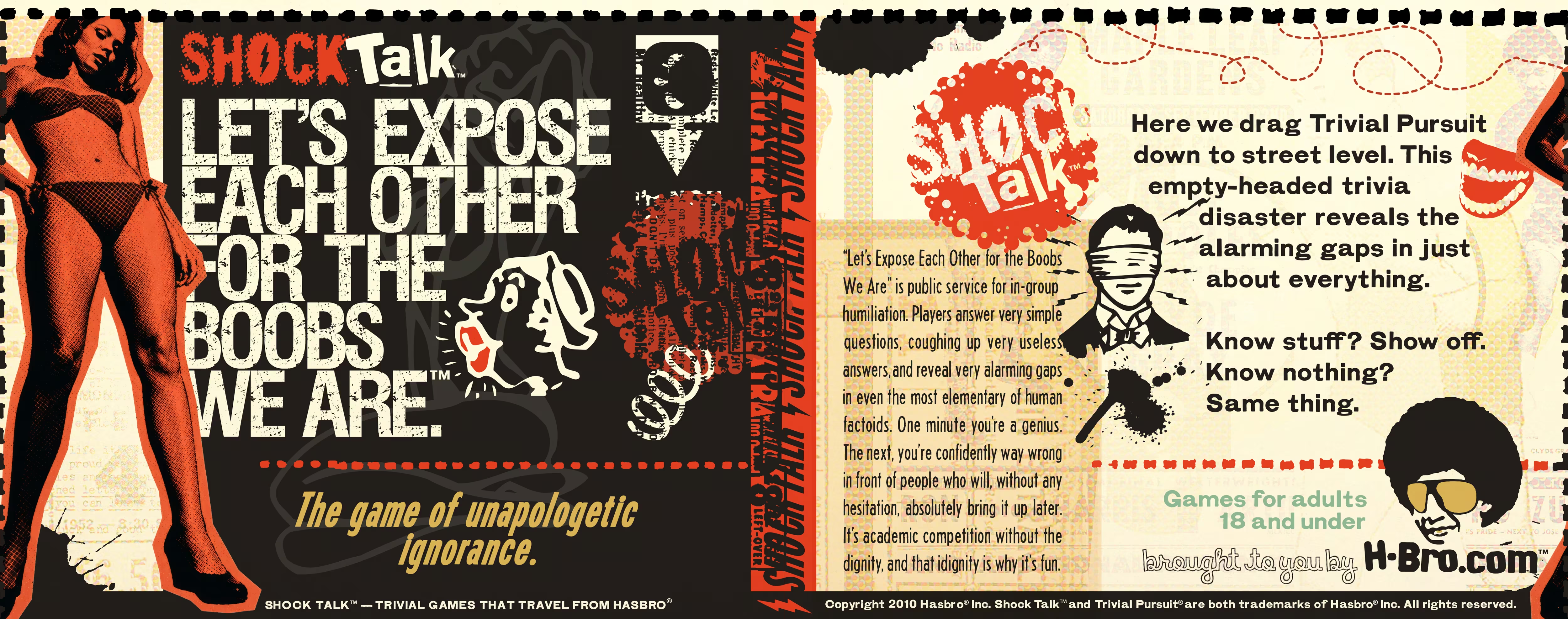
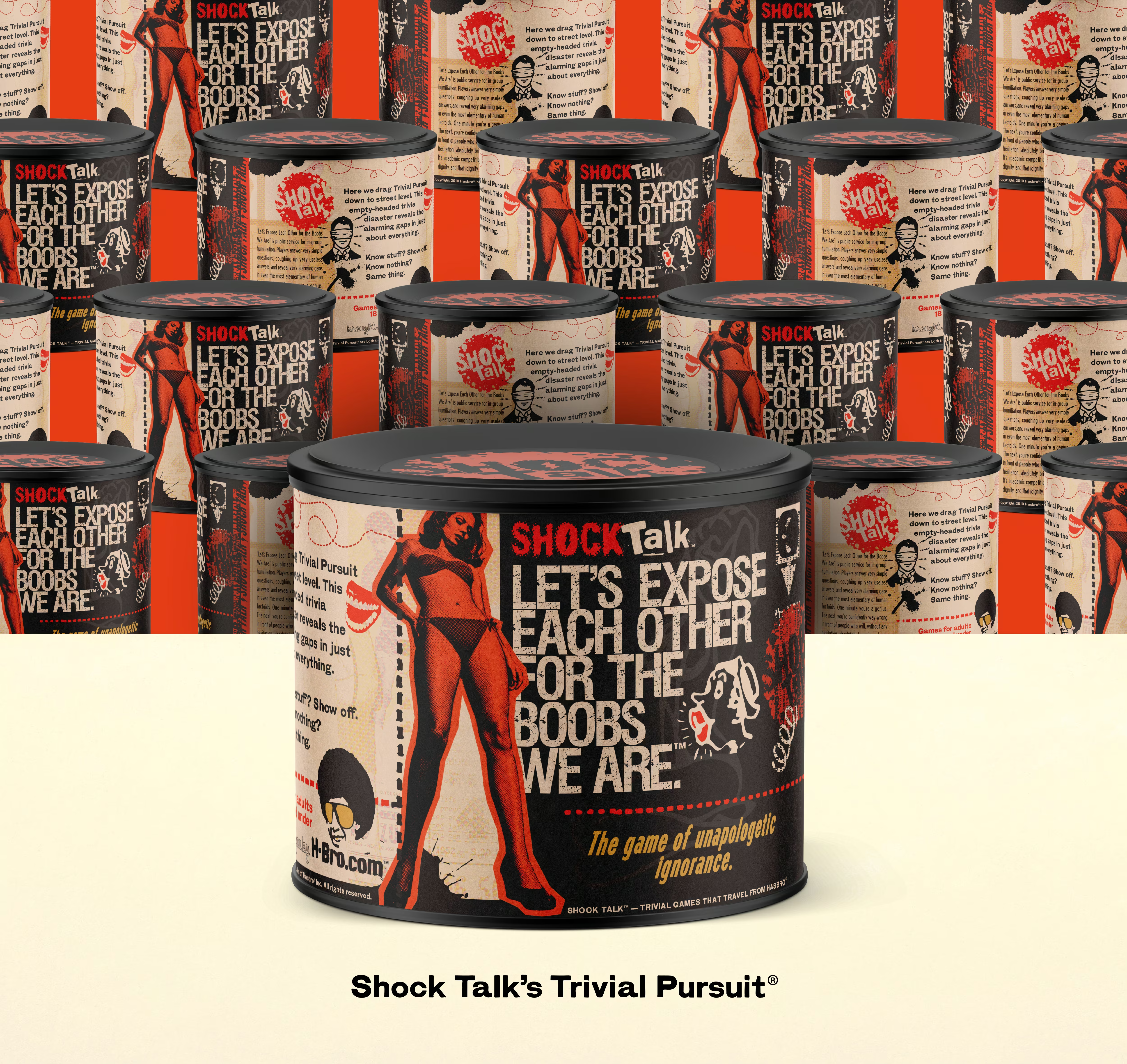
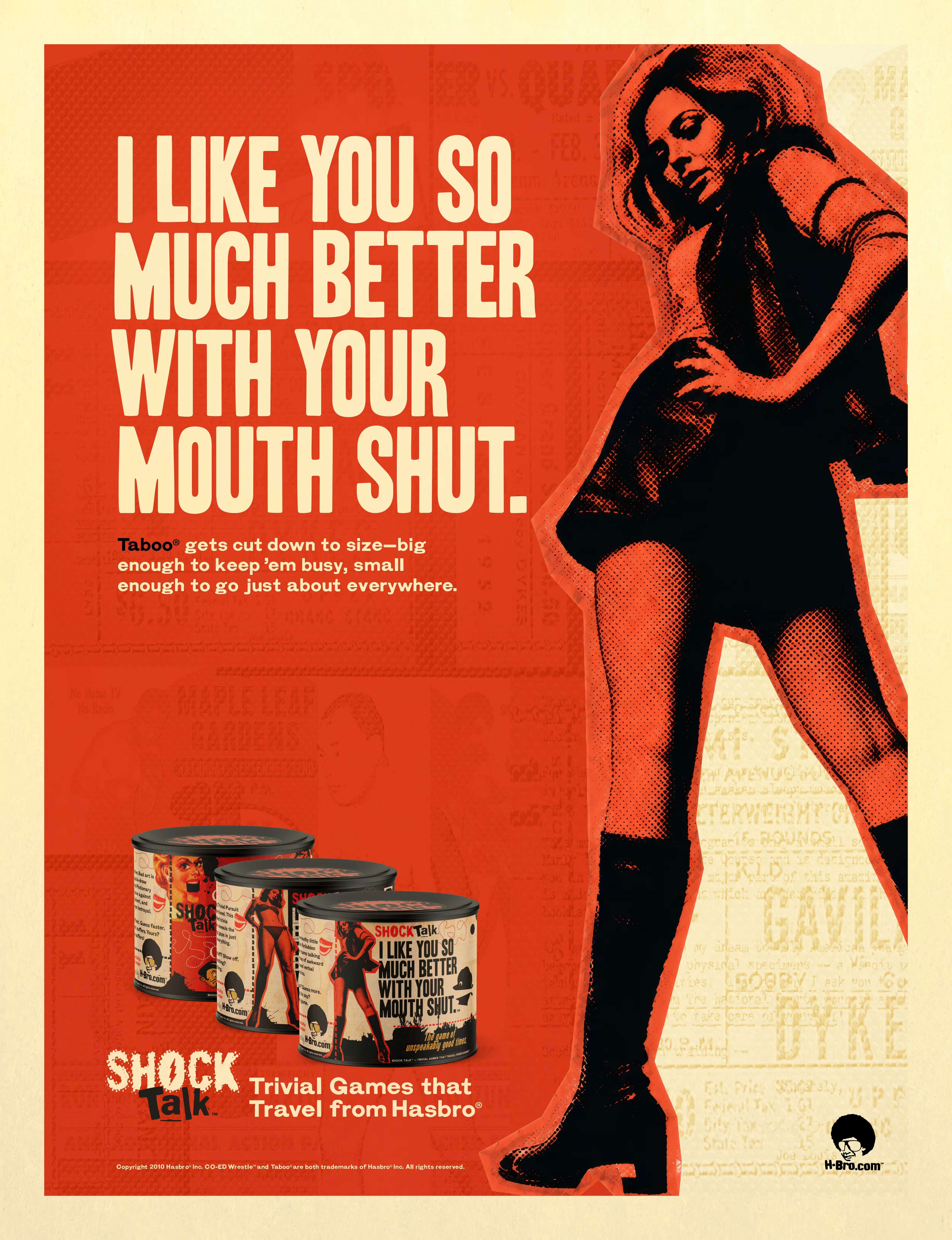
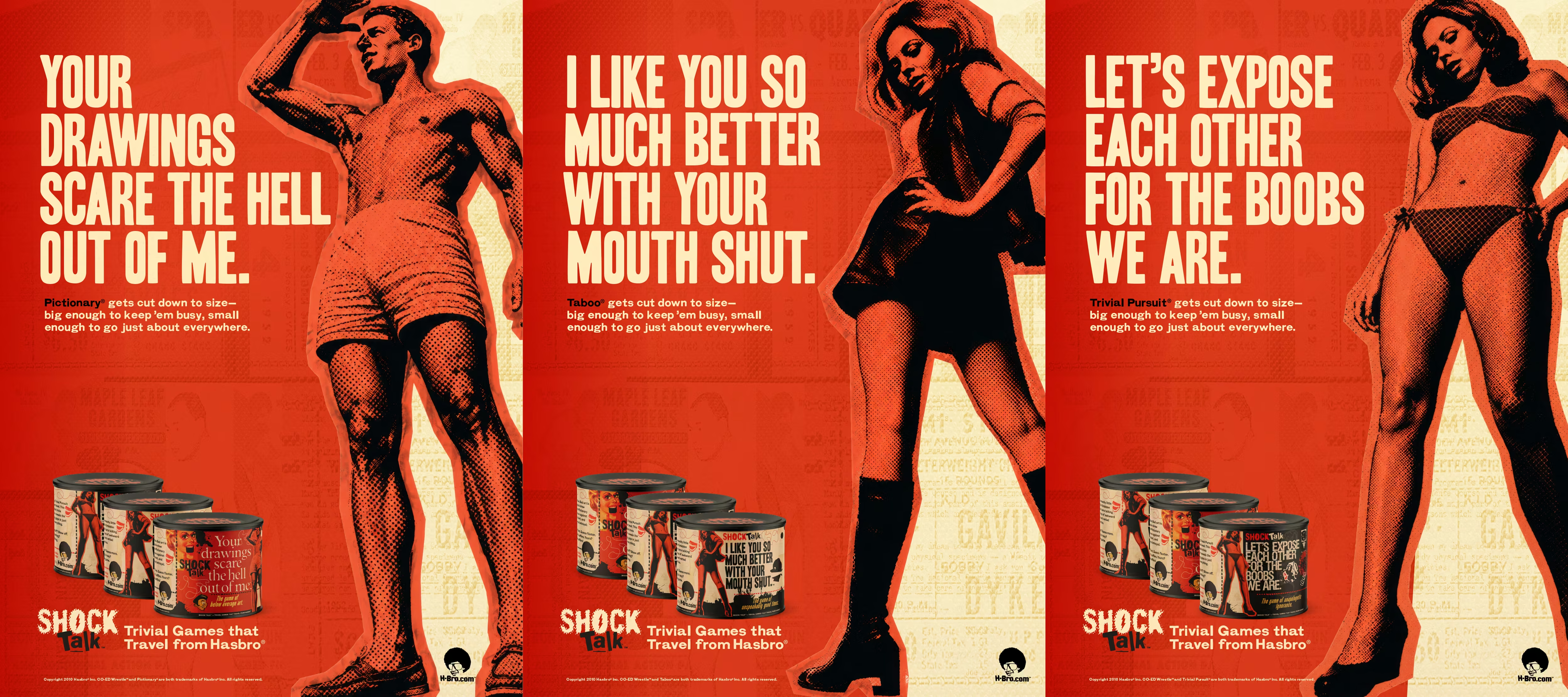
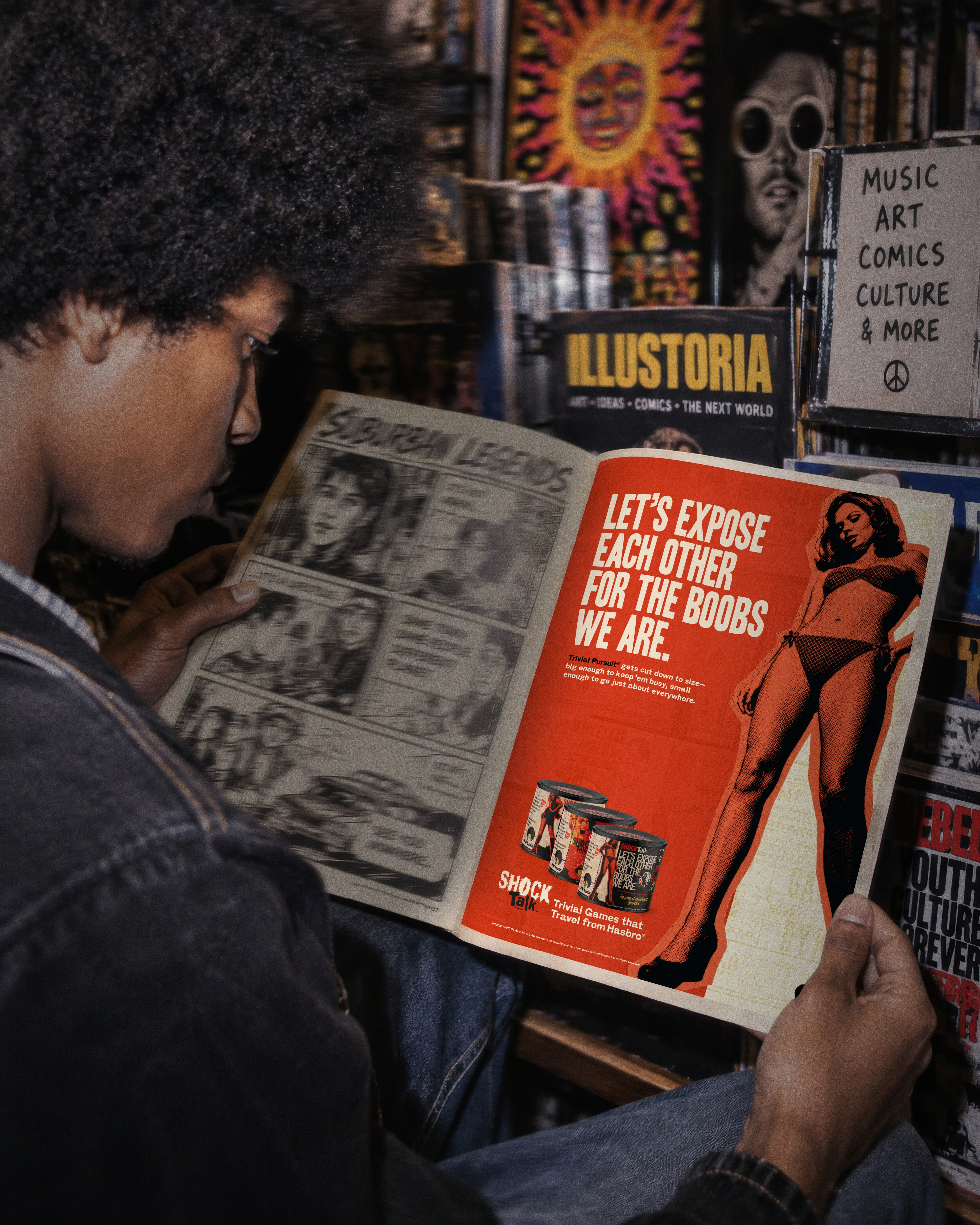
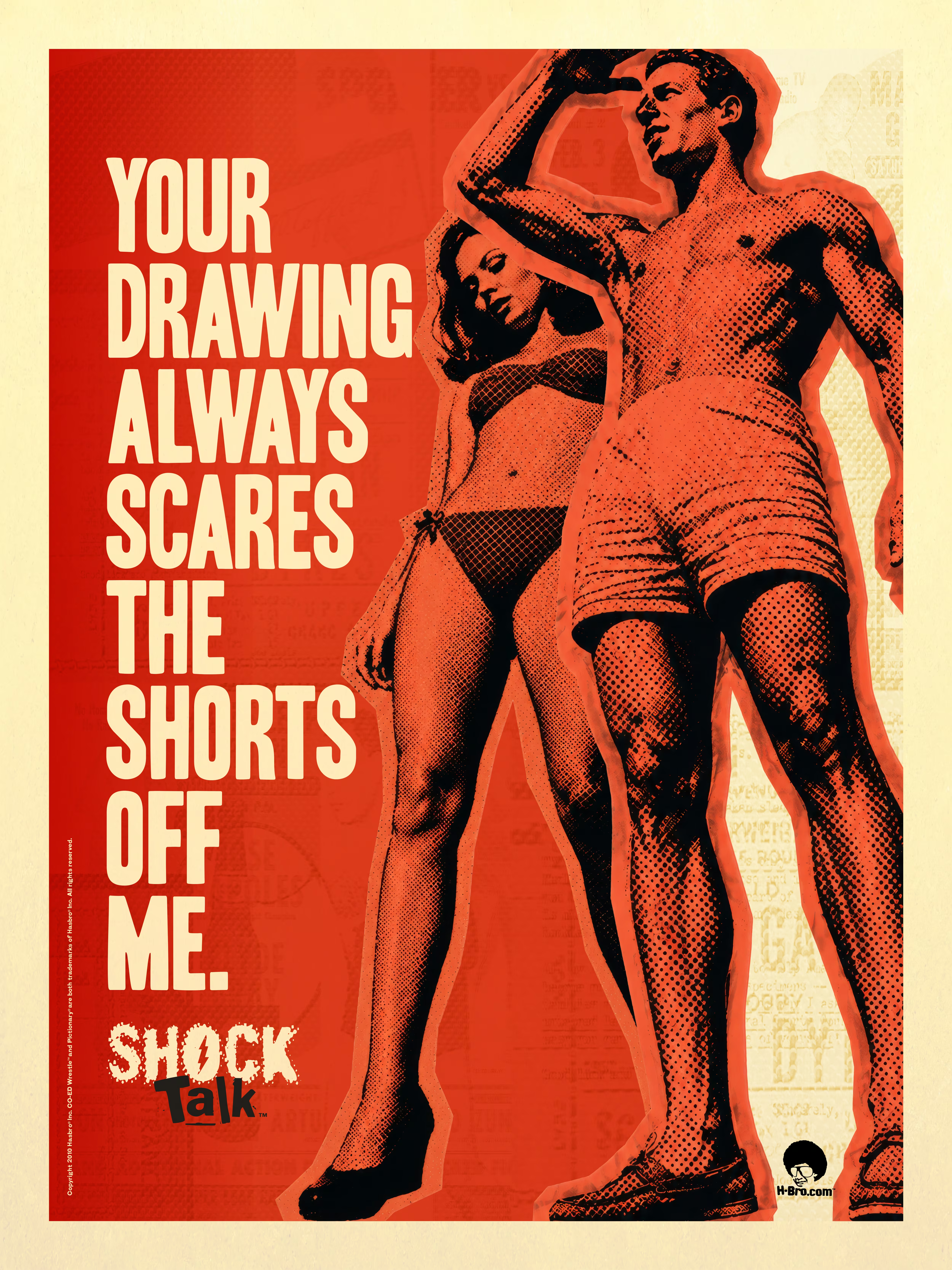
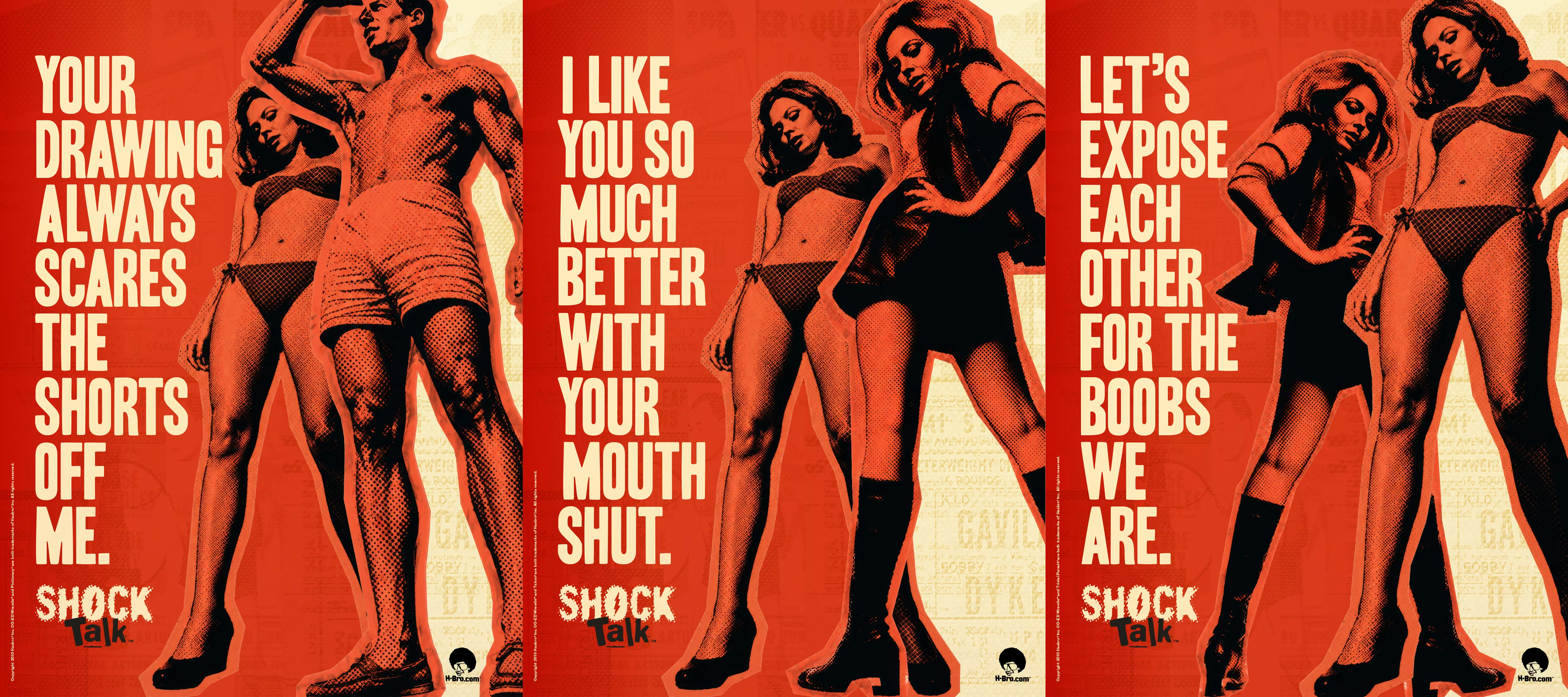
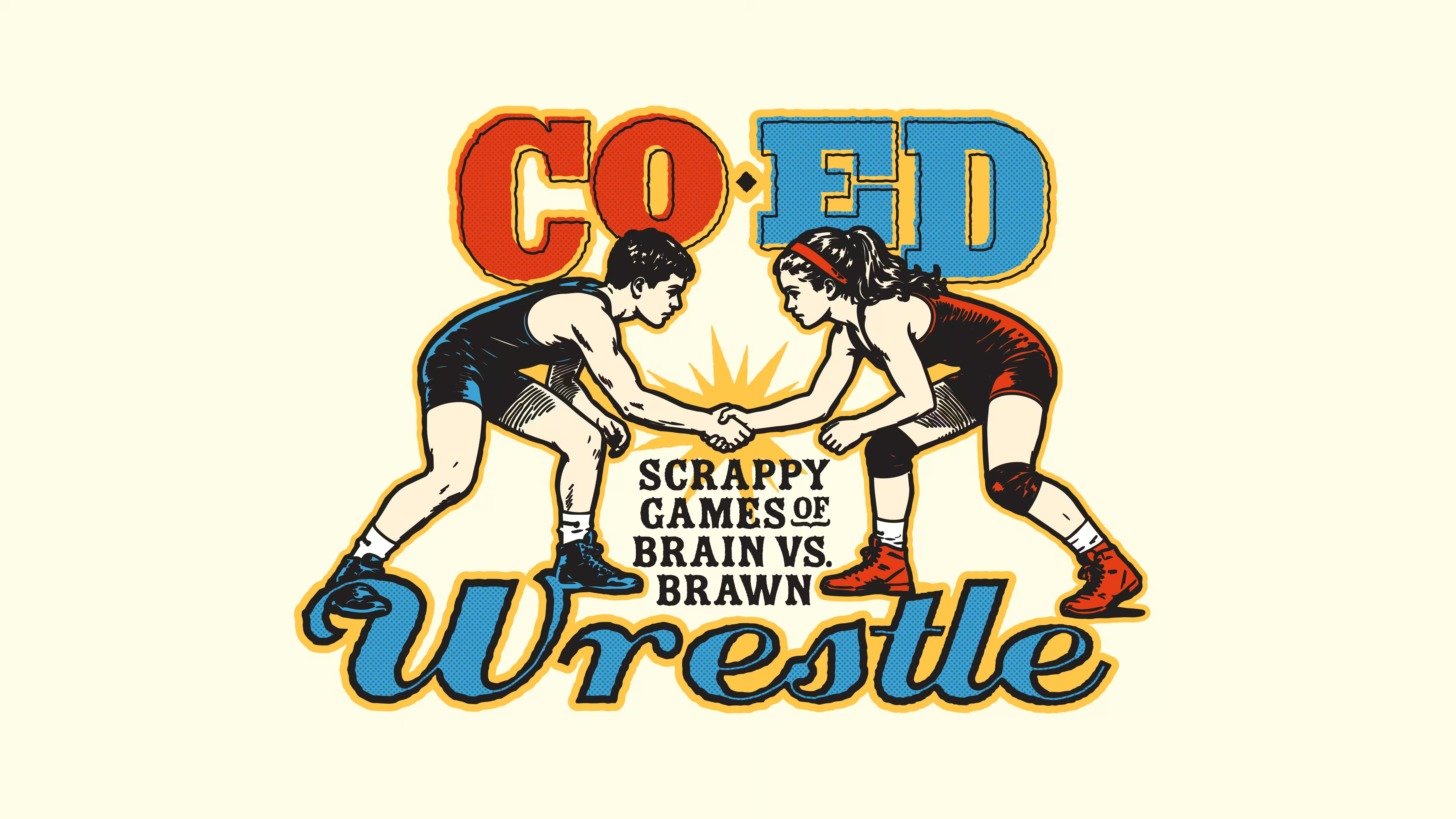
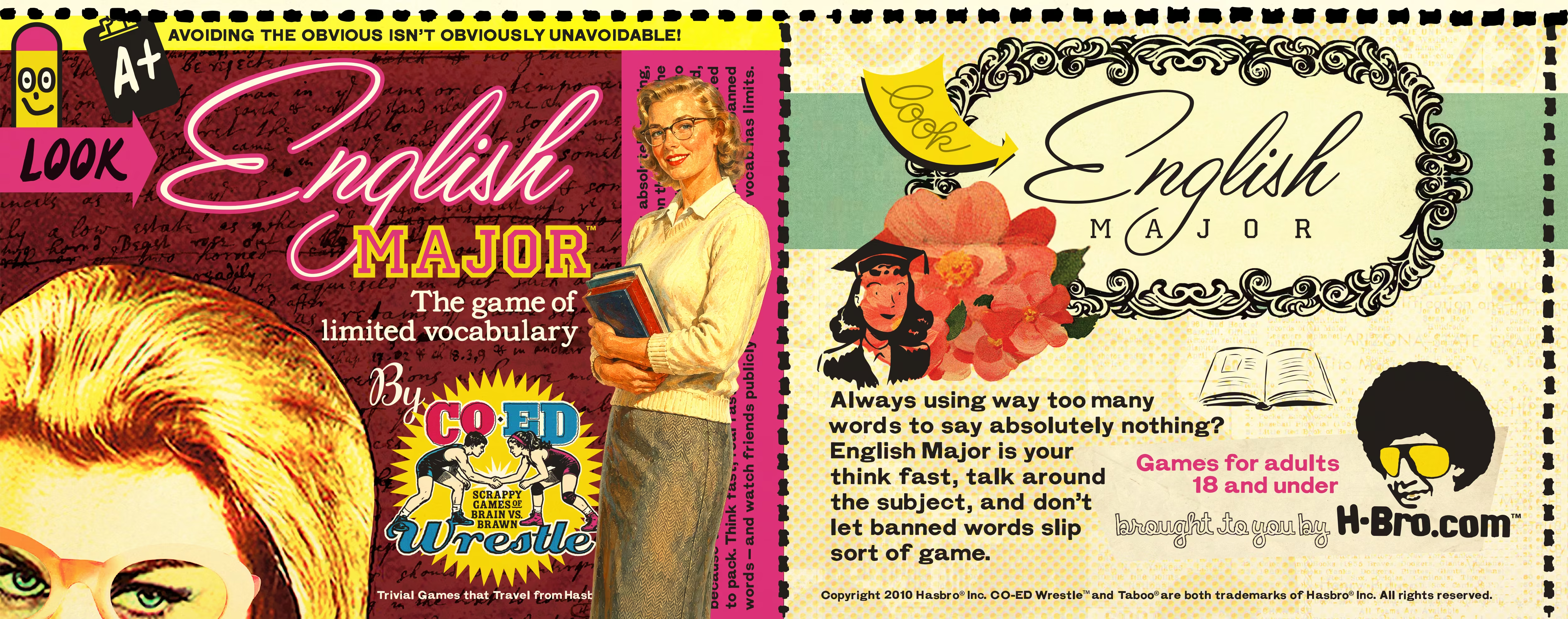
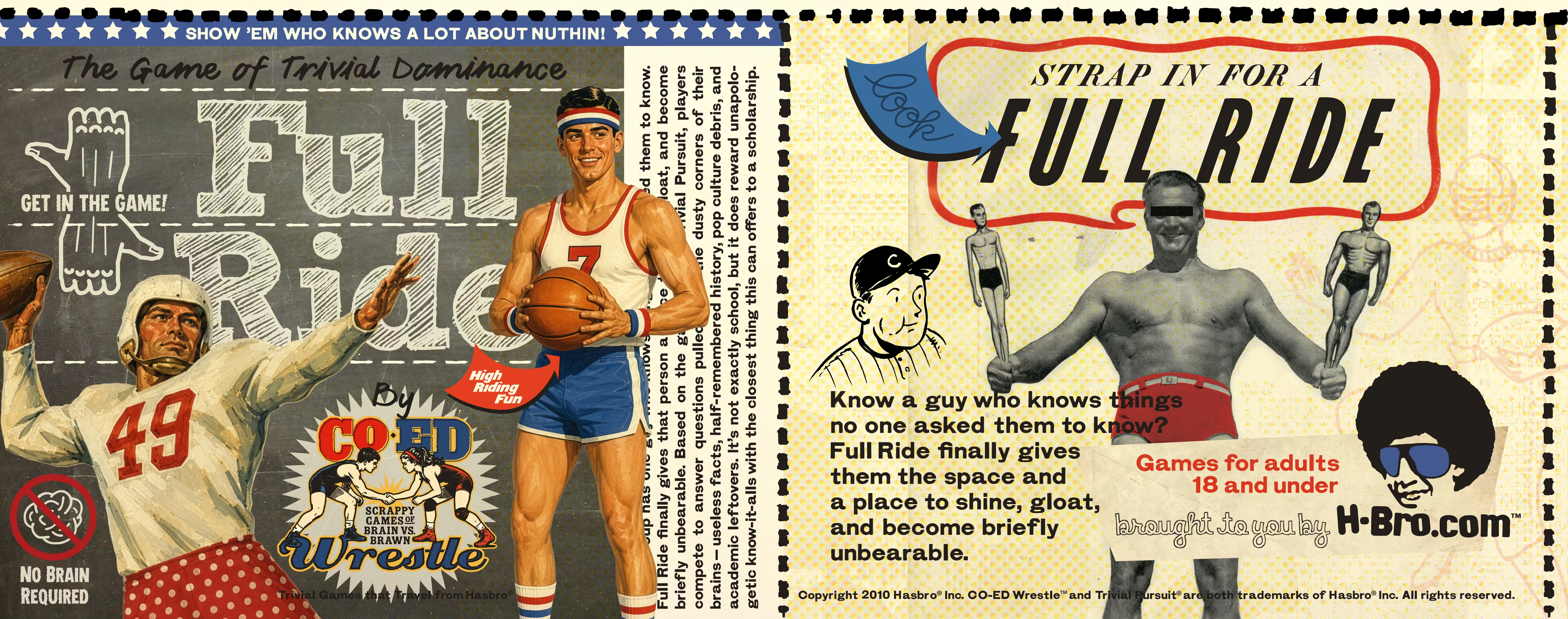
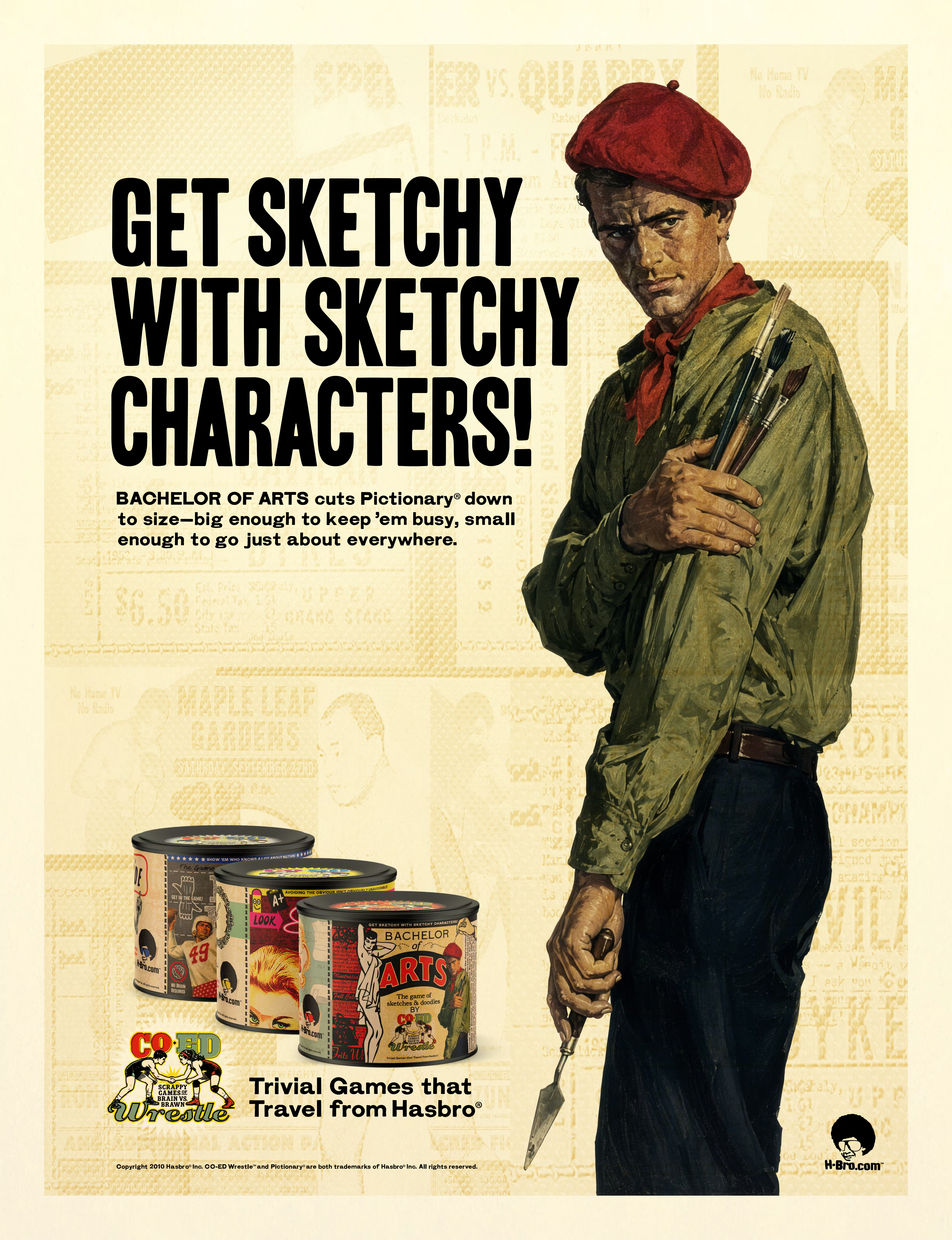
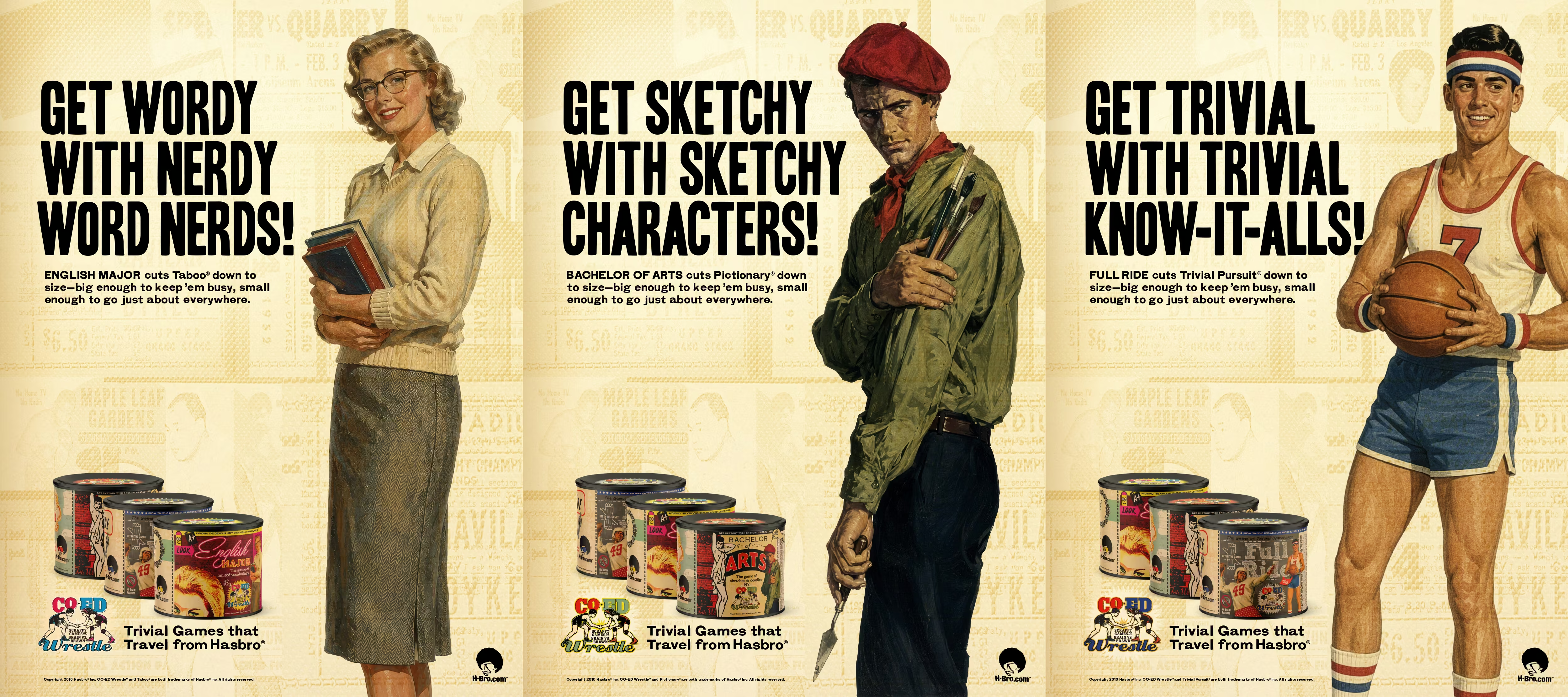
Two creative directions ultimately framed the work. Co-Ed Wrestle recast the games through the emotional wrestling match of college-bound life: Pictionary became Bachelor of Arts, Taboo became English Major, and Trivial Pursuit became Full Ride. Shock Talk went even more blunt, using obnoxious, conversational titles like Your Drawings Scare the Hell Out of Me, I Like You So Much Better With Your Mouth Shut, and Let’s Expose Each Other for the Boobs We Are. Either direction could stand alone as the final brand solution, or the two could work in tandem—Co-Ed Wrestle offering a slightly softer attitude for tweens and more mainstream convenience and novelty retail, while Shock Talk pushed further for older teens and edgier environments like record stores, head shops, and alternative retailers.
Either way, the strategy remained the same: take familiar games, strip them down, rename them, and put them somewhere unexpected. Same classic gameplay. Less commitment. More attitude. And packaging a teenager might actually want to be seen holding.